How to fix a noisy dishwasher at home
A noisy dishwasher in Newton MA usually means a clogged filter, worn pump, or loose part. Here is how to diagnose the sound and fix it yourself.
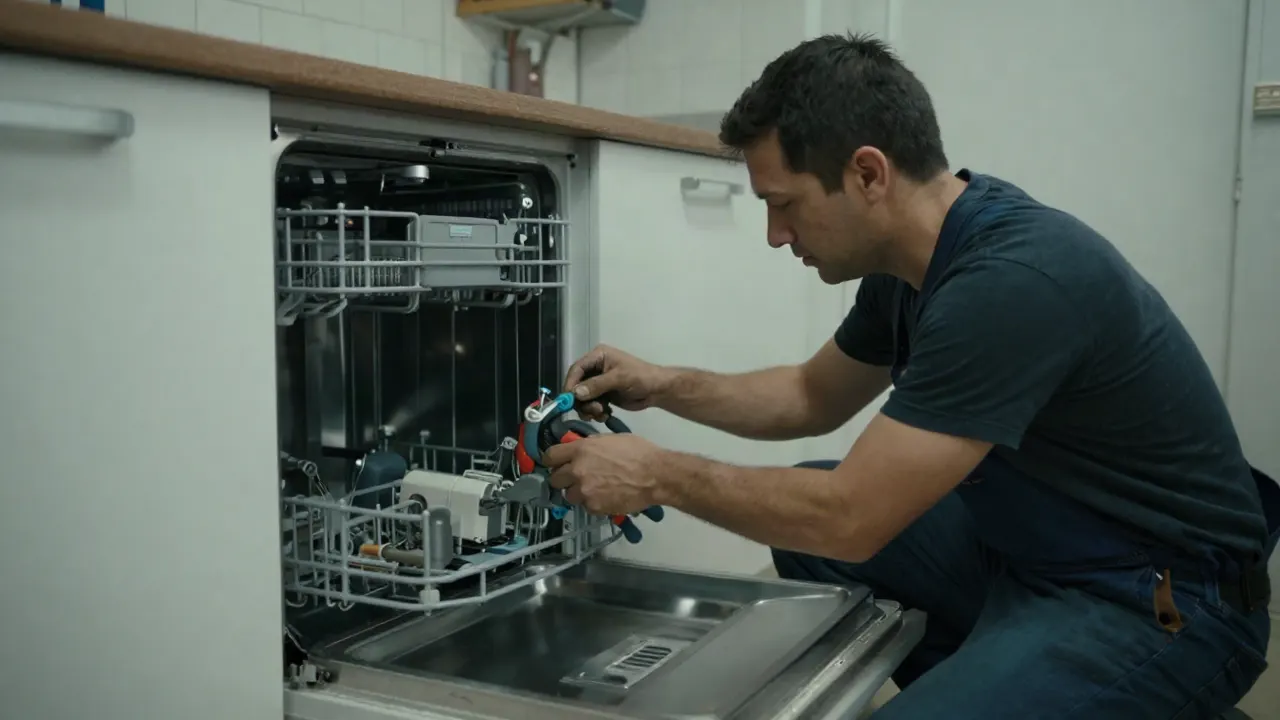
A noisy dishwasher in Newton MA is usually caused by a clogged filter, a worn circulation pump, or a loose component rattling against the tub. You can fix most of these at home with basic tools in under an hour. This guide walks you through matching the sound to the cause, step-by-step repairs, and when a Dishwasher Repair Newton MA visit makes more sense than a DIY attempt.
Dishwashers are not silent machines. A healthy unit runs at about 45 to 55 decibels - roughly the sound of a quiet conversation. If yours suddenly sounds like a lawnmower or a metal grinder, something has changed. We have serviced hundreds of dishwashers across Newton, from 1920s Colonials in Newton Centre to newer condos in Newtonville, and the same handful of culprits show up again and again.
Why is my dishwasher so loud in Newton MA?
Dishwasher noise in Newton MA typically comes from one of five sources: debris in the filter or sump, a failing circulation pump, a worn drain pump, loose mounting hardware, or hard-water scale buildup on internal parts. Newton's water supply runs moderately hard - around 7 to 10 grains per gallon - which accelerates mineral deposits on spray arms and heating elements.
Older homes in Newton Highlands and Waban often have original plumbing that shifts slightly with the seasons. That movement can loosen the dishwasher's mounting brackets and cause a rattling sound during the wash cycle. Newer builds tend to have tighter cabinets, so the noise source is almost always internal.
Here is the short version: if the noise started suddenly and sounds like grinding or scraping, suspect the pump. If it is a rhythmic thump or rattle, suspect a loose part or a foreign object. If it is a low hum that has gotten louder over months, suspect scale buildup or a failing motor bearing.
Match the noise to the likely cause
Before you grab a screwdriver, listen carefully for 30 seconds with the door closed. The type of sound narrows the diagnosis fast.
- Grinding or scraping: Something hard - glass shard, bone, or pit - is stuck in the chopper blade or sump. Or the circulation pump impeller is damaged.
- Buzzing or humming: The drain pump is jammed, or the motor is failing. A jammed drain pump often means standing water at the bottom of the tub.
- Rattling or clanking: Loose spray arm, loose mounting bracket, or a dish that shifted and is hitting the spray arm.
- Whining or squealing: Worn motor bearings or a failing circulation pump. This one usually gets worse over weeks.
- Thumping: The wash arm is hitting a tall dish, or the unit is not level and rocks during the cycle.
If the sound only happens during drain, the drain pump or check valve is the problem. If it happens during the entire wash cycle, the circulation pump is the likely culprit.
How to fix a noisy dishwasher at home: step-by-step
These steps cover the fixes that solve about 70% of noisy dishwasher complaints. Work through them in order - most people find the problem in the first two.
Step 1: Kill the power and water
Flip the breaker that feeds the dishwasher. If you cannot identify it, turn off the main. Close the shutoff valve under the sink. Never work inside a dishwasher with the power on - the heating element and pump capacitors hold a charge.
Step 2: Clear the filter and sump
Remove the bottom rack, then twist out the cylindrical filter and lift the flat filter beneath it. Rinse both under hot water. Shine a flashlight into the sump - the recessed area below the filter. Glass shards, olive pits, and bones are common finds. Pull them out with needle-nose pliers. A single piece of glass in the chopper blade can create a grinding sound that sounds like a failing motor.
Reassemble and run a rinse cycle. If the noise is gone, you are done. This is the most common fix we perform on Same-Day Appliance Repair Newton MA calls.
Step 3: Check the spray arms
Spin each spray arm by hand. It should rotate freely. If it wobbles or scrapes, the mounting nut is loose or the arm is cracked. Tighten the nut hand-tight. If the arm is cracked, replace it - a new spray arm costs $15 to $40 and takes five minutes to swap.
Also check that no tall items - sheet pans, cutting boards - are blocking the arm's rotation. That alone causes a rhythmic thump that sounds mechanical.
Step 4: Inspect the drain pump
If the noise happens during drain and water pools in the tub, the drain pump is jammed or failing. Remove the access panel at the bottom front of the unit. The drain pump is usually a small cylindrical part near the front left or right. Disconnect the wire harness, twist the pump counterclockwise, and pull it out. Check the impeller for debris. If it spins freely, the pump is likely fine and the issue is the check valve or drain hose. If it does not spin, replace the pump - $40 to $90 for the part.
Step 5: Level the unit
A dishwasher that rocks will thump against the cabinet during the cycle. Use a torpedo level on the top edge of the door. Adjust the front leveling legs with a wrench until the unit sits flat and the door stays open at any angle. This is a 10-minute fix that solves a surprising number of rattle complaints.
Step 6: Tighten mounting brackets
Open the door and look for the two brackets that secure the dishwasher to the countertop or cabinet sides. Tighten the screws. In older Newton homes, these screws often work loose because the cabinet wood expands and contracts with humidity. Add a felt pad between the bracket and the cabinet if the rattle persists.
Step 7: Descale the interior
Run a cup of white vinegar through a hot cycle with no dishes. For heavier scale, use a commercial dishwasher cleaner - citric acid-based tablets work well. Do this monthly if you live in an area with hard water. Scale on the heating element and spray arms creates a low grinding hum that builds over time.
Common mistakes to avoid
The biggest mistake is ignoring the noise until the pump fails completely. A $60 pump replacement becomes a $300 repair when the motor seizes and damages the control board.
- Running the dishwasher with a known grind. You are grinding glass or metal against the impeller, which can crack the pump housing.
- Using too much detergent. Excess suds can cause the drain pump to cavitate and hum loudly. Use the amount recommended for your water hardness - usually less than the cup line.
- Forcing a jammed spray arm. If it will not spin, remove it and clear the obstruction. Forcing it cracks the plastic hub.
- Ignoring the disposal connection. If your dishwasher drains through the garbage disposal, a clogged disposal can back up water and make the drain pump strain. If you hear gurgling from the sink during drain, look at Garbage Disposal Repair Newton MA before you replace the dishwasher pump.
- Skipping the leveling step. A unit that is off-level by even a quarter inch can rattle against the cabinet for the entire cycle.
When to call a professional
Call a professional when the noise comes from inside the pump housing, when you see water leaking from the bottom of the unit, or when the dishwasher trips the breaker. Those point to a failing motor, a cracked tub, or a wiring fault - repairs that require pulling the unit and testing with a multimeter.
We handle these calls daily across Newton. If you live in a condo building in Appliance Repair in Newton Corner or a single-family home near Newton Centre, we can usually diagnose the noise in one visit and carry the common pumps and spray arms on the truck. Our team also handles the related appliances that share the same water and drain lines, so if your Refrigerator Repair Newton MA or disposal is acting up at the same time, we can look at both.
Typical 2026 pricing in this area runs $120 to $180 for a diagnostic and minor repair, and $250 to $450 if a pump or motor needs replacement. We quote the price before we start, and there is no charge for the service call if you approve the repair.
Frequently Asked Questions
Why is my dishwasher so noisy in Newton MA?
The most common causes are debris in the sump, a worn circulation pump, or hard-water scale on internal parts. Newton's water runs 7 to 10 grains per gallon, so scale builds faster here than in softer-water towns. Start by cleaning the filter and sump.
Can I fix a noisy dishwasher myself in Newton?
Yes, for most noises. Filter cleaning, spray arm tightening, leveling, and descaling are all DIY jobs that take under an hour. Pump replacement is also doable if you are comfortable with basic tools. If the noise is a grind from inside the pump housing, call a pro.
How much does dishwasher noise repair cost in Newton MA?
In 2026, expect $120 to $180 for a diagnostic and minor fix like a filter clean or spray arm replacement. If the circulation or drain pump needs replacing, the total runs $250 to $450 including parts and labor. We quote the full price before starting work.
Should I call appliance repair for a loud dishwasher in Newton Massachusetts?
Call us if the noise is a grinding or scraping sound from the pump, if water leaks from the bottom, or if the breaker trips during a cycle. Those symptoms point to motor or electrical faults that get worse if you keep running the unit. For rattles and hums, try the DIY steps first.
How often should I clean my dishwasher filter in Newton?
Once a month if you run the dishwasher daily. Newton's moderately hard water means mineral deposits accumulate faster than in soft-water areas. A monthly rinse under hot water takes two minutes and prevents most grinding and humming noises.
Get help with Appliance Repair in Newton
If the noise persists after you have cleaned the filter, leveled the unit, and checked the spray arms, the problem is inside the pump or motor. We can diagnose it in one visit and give you a flat price before we start. Call Newton Appliance Repair at (877) 715-0155 and we will get your kitchen quiet again.